A Kos wine tasting leads from the hotel pickup to island vineyards and cellars, where a winemaker pours local wines beside small bites of regional food. Add more tours in Greece to the plan if you want a second day out.
This page covers what a Kos wine tasting includes, how the tour runs, the wineries, the grape varieties, soil and climate, the history of wine on Kos, the cellar visit, tasting skills, local food, nearby villages, age rules, harvest season and what to bring.
What does a Kos wine tasting include?
A Kos wine tasting on the two-winery tour includes hotel pickup, transport and guided visits. You taste at two wineries and can buy bottles. The tour page lists a group of up to 19 people and 3 hours in total.
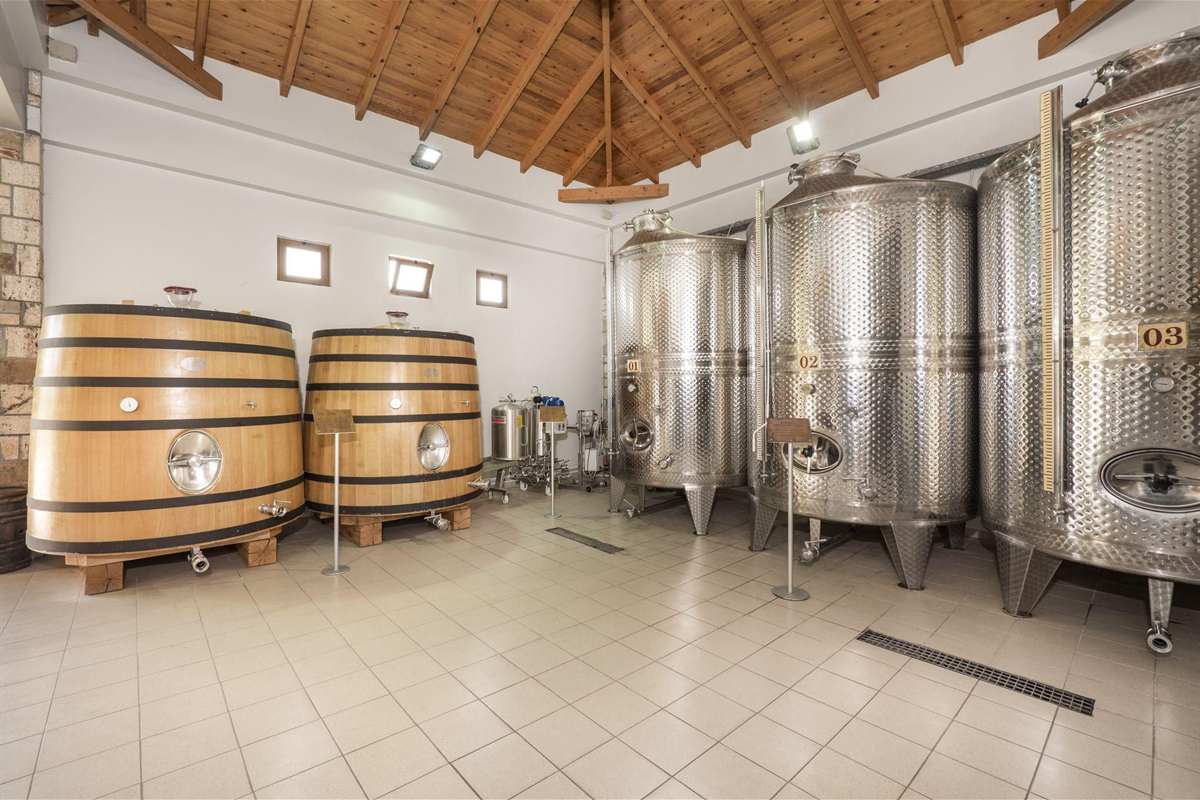
The visits on this Kos wine tasting are guided. The description says knowledgeable experts lead you through the winery’s facilities. You see how the grapes are harvested, how the wine ferments and how it matures in oak barrels. The highlights also list the history of winemaking on Kos.
The tasting takes place in a tasting room among the oak barrels. A sommelier shares what marks each wine. Reviewers count three or four wines at a stop. Local Kos and Dodecanese products come with the wines to highlight each one. Reviewers mention bread, cheese and small snacks.
One reviewer had food pairings at one winery, and another tasted different flavours and bites at both.
Another Kos wine tasting experience, listed for the Miniera vineyard near Asfendiou, works in a similar way. A professional sommelier explains the differences between the grape varieties. You learn to tell the bouquets and notes apart. Each wine comes with a local snack that highlights its flavours.
That listing includes admission, a guided tour and the tasting. It also takes you into the vineyard to learn more about the winemaking process.
The winery boutique sells bottles. When the Kos wine tasting ends, you can take your favourite wines home. The tour title names transportation, and the team collects you, so you do not need your own car.
How does a Kos wine tasting tour run, from hotel pickup to return?
A Kos wine tasting tour starts with a pickup and visits the Hatziemmanouil winery, then Ktima Akrani. It ends with a drop-off at one of four points. The whole trip takes 3 hours, and the booking page shows the start times.
First comes the pickup. The description says the team collects you from your hotel. The booking page lists four pickup locations: Marmari, Agios Fokas, Kos and Tigaki. Reviewers call the minibus comfortable and the pickup smooth.
At the first winery you arrive among rolling hills and grapevines. Reviewers say each stop opens with an introduction to the winery and its wines.
One reviewer describes the first stop as smaller, with the winemaking process explained in an easy way. The same reviewer found the second stop larger and livelier, with time to chat with the other guests.
The itinerary lists the Kos wine tasting stop at 105 minutes within the 3 hours. One reviewer wrote that three hours is not too long and not too short. Another had enough time to enjoy the wines without feeling rushed. Other travellers ask for more balanced time at each stop.
Before the farewell, the description invites you to stroll through the vineyards. The boutique lets you buy wines to take home. A Kos wine tasting tour then ends with the drop-off at Agios Fokas, Tigaki, Marmari or Kos.
The page marks the itinerary as for reference only. Stops and times are subject to change, so check the details when you book.
Which wineries welcome visitors for a Kos wine tasting?
Four wineries offer a Kos wine tasting to visitors: Hatziemmanouil, Ktima Akrani, Skevofilax and Petra Marinou. Hatziemmanouil stands on the Kos to Kefalos main road, near Asfendiou, and the family is there all year.
Kos measures 42.1 by 11.5 kilometres, and the wineries sit in different parts of it. The Hatziemmanouil vineyards lie on the northeastern slopes, sheltered by Mount Dikaios. Ktima Akrani stands at the foothills of the same mountain. Kefalos, where a Mastichari travel site places the Skevofilax tasting, lies near the west end of the island.
Each winery shapes its Kos wine tasting in its own way. Hatziemmanouil welcomes individuals, private groups and organized tours. Ktima Akrani offers a winery tour and a winemaker’s pairing of four small pours. Skevofilax serves six local wines with cheese, olives and bread. Petra Marinou describes itself as an organic winery.
Petra Marinou gives Linopoti as its address, and its family comes from the Pyli area. Each winery takes bookings in its own way. Hatziemmanouil lists a phone line, while Ktima Akrani and Petra Marinou have booking pages. Pick the winery that suits your route, then check how it handles a Kos wine tasting.
What sets the Hatziemmanouil estate near Asfendiou apart?
The Hatziemmanouil family has made wine on Kos for over a century and still tends its own vineyards. A Kos wine tasting here comes with a family story and a view of the sea. Visitors can also join the harvest by appointment.
Nikolas Hatziemmanouil revived winemaking on Kos in a stone winery at Marmaroto. He made sweet wine with psima. This old method boils part of the grape juice and adds it back to the rest. The family is now in its fourth generation, and Konstantinos is preparing to take over.
Shortly before the turn of the millennium, Vasilis planted vines near Asfendiou to make dry wine. The first dry wine blended Malagouzia and Assyrtiko. Awards followed. The Syrah won silver in Thessaloniki and gold in Lyon. The winery says its wines have won awards nearly every year.
The vineyards cover 80 acres in two areas of Asfendiou, 105 metres above sea level and close to the coast. Aegean breezes cool them. The family built the winery at the vineyard entrance to promote wine tourism. A Kos wine tasting is part of that plan. The winery has three levels and covers 400 square metres.
The reception area at the main entrance has tables and a bar. Guests can sit or stand there for a Kos wine tasting. Outside, the courtyard has chairs, tables and wooden kiosks. From there, you look over the vineyards and the sea.
On the visit page, the Kos wine tasting comes in two options. The classic selection has 4 wines, and the premium selection has 8 wines. The family also makes a white, a red, a rosé, a Syrah, an Assyrtiko and a Kidonitsa. The sweet wine, called Third generation, starts with grapes dried in the sun until they are almost raisins.
From late spring to October, the winery opens Monday to Saturday, from 09:00 to 19:00. From November to April, visits are by appointment. The in-house store sells the wines, so a Kos wine tasting can end with a bottle to take home. By appointment, you can also join the harvest.
What can you taste at Ktima Akrani and its winery tours?
At Ktima Akrani, a Kos wine tasting comes as a tour, a winemaker tasting or a wine and cheese lunch. The winemaker tasting pairs four wines with local delicacies. You can also choose your own wines.
The winery tour shows what lies behind the labels. The Akrani site says you visit the production area and the underground cellars. The winery stands at the foothills of Mount Dikaios, in the Miniera vineyard. The view reaches the nearby islands of Kalymnos and Pserimos.
The winemaker version of the Kos wine tasting serves four wines in 50 ml portions. Each wine comes with a local delicacy, and the tour is included. An oenologist from the Akrani team stays with you. The oenologist explains the winemaking approach, the Kos terroirs and the native grapes. The winery also lists a vertical tasting of four Syrah vintages.
The lunch version of the Kos wine tasting is an expert-led session of local cheeses and local wines. You learn how to pair them, and the tour is included here too. The site also offers a bite to eat with a glass of chilled summer wine.
For a self-paced Kos wine tasting, choose your wines on your own. The site serves each wine in a 150 ml portion and lists opening from Monday to Saturday, 10:00 to 18:00. Confirm the hours before you travel.
The winery pays attention to the small details of each Kos wine tasting. Each wine is served at the right temperature and in the right glass. Local Kos and Dodecanese products come with it to bring out its aromas.
Information material comes with every wine. The tasting menus mix wines of different profiles, such as fruity, refined and condensed, so you pick by taste.
The winery’s own notes on its bottles show the range. Akrani White blends Athiri and Assyrtiko and smells of lime and orange skins. The Regional Expressions Malagousia recalls apricot and peach, with a creamy texture. The Syrah brings blackcurrant, spice and a full body.


What do the Skevofilax and Petra Marinou wineries offer?
Skevofilax Winery in Kefalos hosts a Kos wine tasting of six local wines with cheese, olives, bread and olive oil. Petra Marinou, an organic family winery, offers two set tastings of three or four wines.
One listing says the Skevofilax tasting lasts about 1.5 to 2 hours. It opens with an introduction to the winery, and soft background music sets the mood. The setting is a renovated winery among volcanic vineyards, in a landscape shaped by Mount Dikaios.
A second listing for Skevofilax describes a small group of up to 10 people with an English-speaking host. It names Assyrtiko, aromatic Malagouzia, rosé, bold reds, orange wine and traditional retsina. The platter holds cheeses, cold cuts, jam, tomato, cucumber and breadsticks. This listing runs 1 hour, so check the length on your Kos wine tasting booking.
Petra Marinou calls itself an organic winery. The family comes from a farming background in the Pyli area, and the contact page gives the address as Linopoti. You book a Kos wine tasting there through the reservations page.
Nisaia is the shorter Kos wine tasting at Petra Marinou. It pours Assyrtiko, a Rosé Mavrothiriko Moschato and a red Syrah in 45 minutes. Meliti adds a Chardonnay, so you taste four wines in 60 minutes. The winery page describes light-filled open spaces and antiques from the winemaking past.
The two-winery Kos wine tasting tour names Hatziemmanouil and Ktima Akrani. Skevofilax and Petra Marinou run their own tastings, so they are separate bookings from that tour.
Which grape varieties grow on Kos?
A Kos wine tasting brings Greek and international grapes together, because the island’s estates grow both. The whites include Assyrtiko, Malagousia, Athiri and Kydonitsa. The reds include Syrah and Cabernet Sauvignon, and Grenache Rouge makes a rosé.
The Hatziemmanouil family lists six grapes on its website. Malagouzia is an aromatic white from the mountains of Nafpaktia. Kydonitsa is a white from Laconia that smells of sweet quince. Assyrtiko began on Santorini, and the winery calls it drought-resistant with high acidity. Ask the host which grape sits in your glass during a Kos wine tasting.
Hatziemmanouil grows three red grapes as well. The winery calls Syrah a French red with a deep purple colour and a peppery smell. Cabernet Sauvignon gives bold, dense wines that look almost black. Grenache Rouge comes from Spain, and the winery says it is fully acclimatised to Kos. The family uses it for its rosé.
The Hatziemmanouil white is half Malagouzia and half Assyrtiko. Its red is half Syrah and half Cabernet Sauvignon, and its sweet wine is 80% Assyrtiko with 20% Grenache Rouge. Ktima Akrani mixes Athiri and Assyrtiko in equal parts for its white. On a Kos wine tasting, taste a blend next to a single grape to see what each adds.
Ktima Akrani bottles single-grape wines, such as a 100% Malagousia and a 100% Syrah. It keeps an experimental vineyard with more than thirty rare Greek varieties, to test how they adapt. Its Regional Expressions series shows Greek grapes in the Kos terroir. Look for that label when you plan a Kos wine tasting.
How do soil, sun and sea wind shape the wines of Kos?
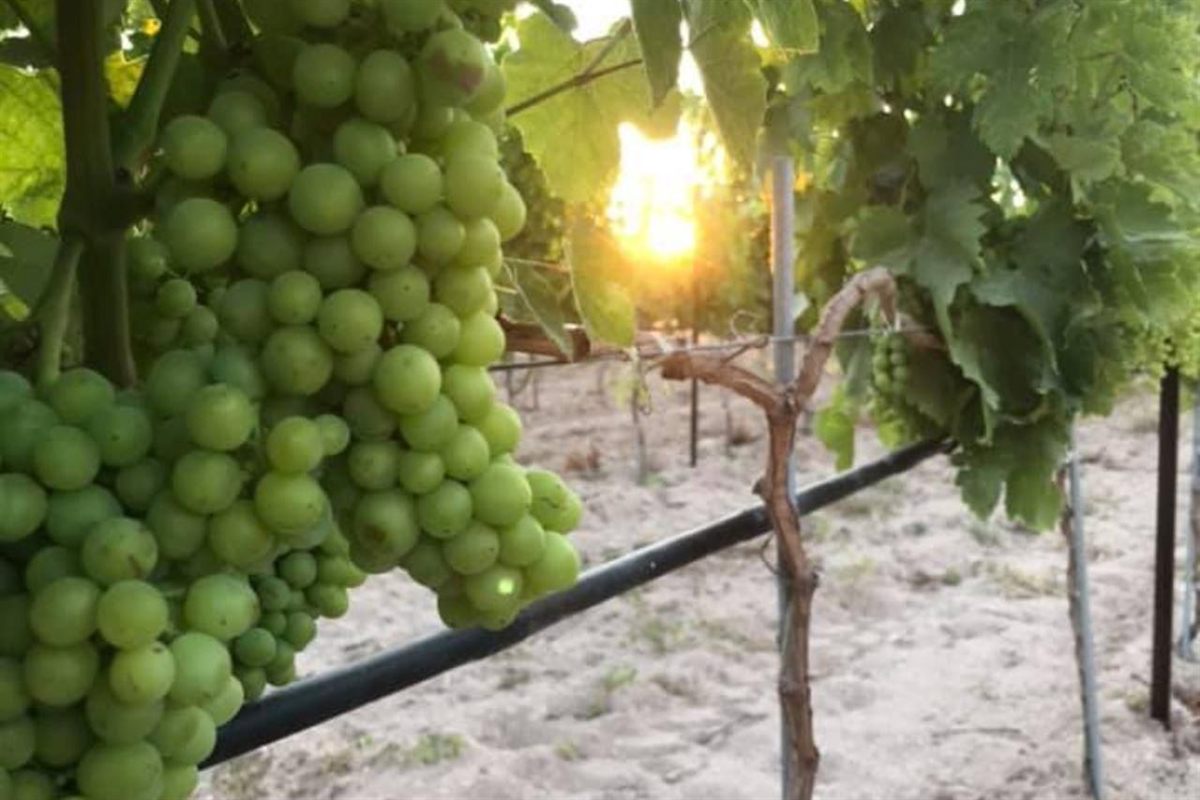
Soil, sun and sea wind each shape the wines you meet on a Kos wine tasting. Ktima Akrani farms clay-rocky and sandy limestone ground. Hatziemmanouil plants its vines 105 metres above sea level, close to the coast, where Aegean breezes cool them.
The vineyards behind a Kos wine tasting at Ktima Akrani stand on two soils. The Miniera plantings have clay-rocky soil. The newer plantings near Kardamena, south of Mount Dikaios, stand in sandy limestone. Together the vineyard spreads over 150,000 square metres. Its Malagousia takes 70% of its grapes from clay-stony red soil over slate and 30% from sandy limestone.
Each Akrani wine names its own ground. The Syrah grows in stony clay red soil over a slate subsoil. The white of Athiri and Assyrtiko comes from light, sandy soil over limestone. Soil is a good topic for a Kos wine tasting, so ask the host about the ground behind each bottle.
A Kos wine tasting happens on an island with a hot-summer Mediterranean climate. The Hatziemmanouil family calls Assyrtiko drought-resistant, and the grape keeps its acidity even when very ripe. Across the Aegean, a dry north wind called the meltemi blows from late spring to mid-September. It tempers the fierce summer heat of the region.
The Hatziemmanouil vineyards lie on the northeastern slopes of Kos, near Asfendiou. Mount Dikaios shelters them, and Aegean breezes cool them. The family farms 80 acres across two areas there. The courtyard gives a Kos wine tasting a view of the vines and the sea.
Growers protect the ground too. Akrani leaves native grasses in the field. It works the soil once, at the start of summer, which helps it hold water. The estate uses no chemical herbicides, insecticides or fungicides. Petra Marinou, which offers a Kos wine tasting and vineyard visits, credits the special microclimate of its area.
What is the long history of wine on Kos?
Winemaking on Kos is very old. The Hatziemmanouil winery dates the island’s tradition to 4,000 BC. Ancient Greek poets cited the wines of Kos among the good ones. A Kos wine tasting today follows that long tradition.
Long before any Kos wine tasting, the island gave the ancient world a salted style of wine. The writer Pliny tells how a slave added sea water to the must to meet his production quota. The result became popular, and winemakers on Rhodes copied it. From about the fourth century BC, Coan wine was exported in large quantities.
Strabo mentions Coan wine beside the well-regarded wines of Chios and Lesbos. Roman connoisseurs preferred it unsalted. Cato the Elder left one of the two surviving recipes. It says to draw sea water far from the shore, on a calm day, seventy days before the harvest. A Kos wine tasting takes place on the island where this style began.
In the Hellenistic period Kos reached the peak of its prosperity. The island was rich in wines of considerable fame. It also became a centre for making amphorae, the jars used to ship wine. A Kos wine tasting today looks back to that time.
Nikolas Hatziemmanouil was first to revive winemaking on Kos, in a stone winery at Marmaroto. His sweet wine used psima, an ancient technique that boils part of the grape juice and adds it back. Later the tradition almost stopped when islanders turned to tourism work. Then organized winegrowing began again. A Kos wine tasting belongs to that return.
How does Kos fit into the wider story of Greek wine?
Greece is one of the oldest wine regions in the world. The earliest evidence of Greek wine dates to 6,500 years ago. Kos is the first stop for wine tourism in the Southern Aegean. A Kos wine tasting sits at the start of that wine route.
Greece holds the second oldest known grape wine remnants in the world, and the world’s earliest evidence of crushed grapes. As Greek civilization spread through the Mediterranean, wine culture followed. The ancient Greeks made wine in colonies in Italy, Sicily, southern France and Spain. A Kos wine tasting adds the island’s own chapter to that story.
Trade carried island wines across the sea. Archaeologists have uncovered millions of amphora pieces stamped with the seals of Greek city-states and Aegean islands. Greek poets named the wines of Chalkidike, Chios, Lesbos, Naxos, Thasos and Kos among the good ones. On a Kos wine tasting, you drink from an island that these poets already praised.
Greece now sorts its wines by origin, to assure buyers where a wine comes from. Kos has its own zone, PGI Kos, where PGI means Protected Geographic Indication. The wider PGI Dodekanese zone covers all the Dodecanese islands. Rhodes, the largest Dodecanese island, has a separate PDO for its dry red and white wines and its sweet Muscat.
Grape growing and wine production happen on every island of the Southern Aegean, large or small. The work has become organised chiefly on Rhodes and on Santorini. Kos, after an extensive decline that almost ended its vineyards, joins them. Its revived vineyards now produce PGI Kos wines, and a Kos wine tasting is one way to meet them.
What happens in the cellar and production area during the visit?
At Ktima Akrani, a Kos wine tasting can include a winery tour through the production area and the underground cellars. The tour shows what is hidden behind the labels, in the rooms where the wine is made.
Stainless steel vats fill the largest part of the Hatziemmanouil winery. They come in different sizes, depending on their function. In winemaking, yeast feeds on the sugar in the grape juice and makes alcohol and carbon dioxide gas. Winemakers call this fermentation. Hatziemmanouil offers tours of its facilities, so a Kos wine tasting there can include the vats.
Hatziemmanouil cuts its bunches in the early morning hours. It places them in crates of limited capacity, so they do not get squashed. Then the crates go quickly to the winery. Depending on the variety, the grapes end up in the press or in the vat. Ask your host which route the grapes take on your Kos wine tasting.
Just below the tasting room at Hatziemmanouil, a cellar holds French oak barrels. The red and sweet wines mature there. Grapes for sweet wine are laid out to dry in the sun until they are almost raisins. Oak barrels add oak aromas and tannins to red wine. Ktima Akrani also has cellars in its basement, made for maturing wine.
The Ktima Akrani team is on hand to walk visitors through the vines, the herb collection and the production rooms. They share secrets of vine growing and winemaking, plus stories of the family and the island. Inside the winery, a permanent exhibition shows works by Greek painters. A Kos wine tasting here comes with art as well as wine.
How do you taste wine like an expert during a Kos wine tasting?
Wine experts use five steps with every glass: see, swirl, sniff, sip and savour. Pausing at each step separates tasting from simply drinking. Use the same steps at a Kos wine tasting to read each wine slowly.
Start with your eyes. Look for clarity, and tilt the glass against a white background to judge the colour. The colour gives clues about the grape variety and whether the wine aged in wood. Make this first look part of every pour at a Kos wine tasting.
Swirl the glass gently. This gives the wine more air and releases the aroma molecules that form the bouquet. Then take a slow sniff, because the nose is the main source of the flavour you taste. Temperature matters too: cooler wine shows more acidity and tannins and less aroma, and warmer wine shows the reverse.
Hold each sip in your mouth for a moment so it reaches all your taste buds. Then purse your lips and breathe in through the small gap. Air passes over the wine and releases more aroma. The finish is the aftertaste, and a Kos wine tasting lets you compare it from glass to glass.
Tasters keep notes at a Kos wine tasting, on aroma, acidity, structure, texture and balance. Tasting wines side by side, in a set called a flight, makes the comparison fairer. Spitting out wine is not rude at a winery, even in front of the winemaker. Ask where to spit before you start, which is the polite thing to do.
Which local foods come with a Kos wine tasting?
A Kos wine tasting brings a plate of local food to the table. At Skevofilax it holds cheese, olives, bread and olive oil, and the tasting packages add charcuterie. Each winery sets its own plate.
The Mastichari trip page names the food for the Skevofilax Kos wine tasting. It lists artisanal cheese, olives, bread and extra virgin olive oil, plus traditional local snacks. The winery’s own website adds a cheese and charcuterie platter to its tasting packages. One package also brings bruschetta with tomato and feta, and salmon canapés.
At Ktima Akrani, the Kos wine tasting matches each wine with local products from Kos and the Dodecanese. Every wine arrives at the right temperature in the right glass. The Emmelia Tasty Pairings give four 50 ml portions, each paired with a local delicacy. A separate session pairs local cheeses with wines.
The Akrani heritage page lists the foods of the island. It names a goat cheese that matures in red wine, with a deep red colour and a spicy taste. It also names sweet tomato preserves, olive oil, thyme honey and the drink kanelada. Wikipedia lists olives and tomatoes among the main crops of Kos.
Hatziemmanouil lists food pairings on its wine pages. Its white wine suits seafood, Mediterranean dishes and white meat. The rosé goes with pasta and fish cooked in red sauce. The sweet wine goes with cheese, nuts, ripe fresh fruit, tarts and white chocolate. Use these notes to choose dishes for the bottles you buy after a Kos wine tasting.
Which villages and views sit near the Kos wineries?
The two-winery Kos wine tasting tour stays near Asfendiou, a village on the slopes of Mount Dikaios. From Ktima Akrani you look out to the islands of Kalymnos and Pserimos.
Wikipedia lists Asfendiou among the smaller villages of Kos. Hatziemmanouil gives its address as the Kos-Kefalos main road, Asfendiou. Its courtyard has chairs, tables and wooden kiosks. A Kos wine tasting there comes with a view of the vineyards and the sea.
Ktima Akrani stands in its Miniera vineyard, at the foothills of Mount Dikaios. The winery calls the location part of the visit, together with the view of nearby islands. Inside, a permanent exhibition shows works by Greek painters, and the cellars lie in the basement. A Kos wine tasting here mixes art, vines and an island view.
Tigaki lies by the sea, about 10 km west of Kos Town. Wikipedia places it in the same municipal district as Asfendiou. The Alykes salt lake is about 400 m from the village centre. The island of Pserimos lies about 3.5 km to the north.
Ktima Akrani also holds new plantations at Kardamena, in sandy limestone soil south of Mount Dikaios. Wikipedia describes Kardamena as a seaside village and a popular resort.
Skevofilax lies in the far west of the island. Its website puts the winery in Kampos of Kefalos and the first vineyard in the Karydies area. It names the sea breeze and the August meltemia as part of the local climate.
Wikipedia calls Kefalos the westernmost town of Kos, 43 km from Kos Town. It stands on a stone height under the windmill of Papavasilis. The ruins of a medieval castle, from the thirteenth century, lie in the town. Add the castle to a Kos wine tasting in the west. Antimachia, another main village, has a fortress from the Byzantine period.
Is a guided Kos wine tasting tour or a self-drive winery visit right for you?
A guided Kos wine tasting tour suits you if you want pickup included and two wineries in one outing. A self-drive visit suits you if you want to pick one winery and set your own pace.
The two-winery tour page lists pickup as included and an English-speaking host. The team drives, so nobody in your group takes the wheel on your Kos wine tasting. The page also offers free cancellation up to 24 hours in advance. Everything is arranged, which helps if you do not want to plan a route.
A self-drive Kos wine tasting needs more planning. Hatziemmanouil lists Monday to Saturday, 09:00 to 19:00, from late spring to October. From November to April, you visit by appointment. Ktima Akrani lists Monday to Saturday, 10:00 to 18:00, for its choose-your-own tasting.
Hatziemmanouil asks you to call or email to organise a visit. It says the family is at the winery all year round. It also says it has hosted individual, group and organised tours. A Kos wine tasting for two in a rental car fits that format.
The Miniera vineyard listing adds a flexible start. You can arrive at any time on the chosen day. The first entrance is at 10:00 and the last at 17:00. The island measures 42.1 by 11.5 kilometres, so check the road distance before you plan two stops in one afternoon.
Pick the tour if you want two estates in one trip and no car. Pick a self-drive Kos wine tasting if you already have a car and want more time at a single winery.
Who enjoys a Kos wine tasting, and what are the age rules?
A Kos wine tasting suits wine lovers, couples, small groups and curious travellers. The minimum age for consuming alcohol is 18 years. Children aged 0 to 17 can join the Miniera vineyard tour.
The Skevofilax winery page names couples, small groups and curious travellers as the people its tasting suits. It adds that you can be a wine lover or simply curious. Ktima Akrani also offers a sommelier service. It suits visitors who want deeper knowledge of its wines or of wine in general.
The age rules for a Kos wine tasting come from the Miniera vineyard listing. It states that children aged 0 to 17 years can join the tour. The same listing says the minimum age for consuming alcohol is 18 years. The Skevofilax booking form has separate boxes for adults, children and infants. Ask the winery before you book with under-18s.
Winery websites follow the same 18 line. The Ktima Akrani site asks you to confirm that you are over 18 before you continue. The Petra Marinou site says it requires visitors to be 18 or older. Ktima Akrani also notes that none of its tasting wines is alcohol free. Plan ahead if someone in your group does not drink.
Both the two-winery tour page and the Miniera listing say the tour is wheelchair accessible. The Miniera listing asks you to tell the host about food allergies or dietary restrictions. Do this when you book, so the Kos wine tasting suits everyone at the table.
When is harvest season, and which months suit a Kos wine tasting?
Grape harvest on Kos begins at the end of July and the start of August, says the Hatziemmanouil winery. A Kos wine tasting there runs Monday to Saturday from late spring to October. From November to April it runs by appointment.
At harvest, the bunches are cut in the early morning hours. They go into crates of limited capacity, so the grapes do not get squashed. The crates go quickly to the winery, and each variety then goes to the press or the wine vat. Grapes for sweet wine dry in the sun until they are almost raisins.
You can join in. By appointment, anyone who wishes can take part in the harvest. The winery calls it a firsthand look at how the family selects its grapes. Ask the estate for dates before you plan a Kos wine tasting around the picking.
The vines work all year. Shortly after the harvest ends in early autumn, the leaves fall and the vines slow down. Around January, when the vines are fully dormant, the pruning begins. In late spring, it is time to choose which shoots stay to bear grapes. A visit in these months shows resting or growing vines, not a harvest.
Opening hours shape the choice of month too. Hatziemmanouil opens from 09:00 to 19:00 in the main season. Ktima Akrani lists tastings that you choose yourself from Monday to Saturday, 10:00 to 18:00. A Kos wine tasting on a Sunday is not on either list.
Weather helps you pick the month for a Kos wine tasting as well. The Kos weather station shows a mean daily high of 28.5 degrees Celsius in June and 30.4 in July. August reaches 31, and September falls back to 28.5. October averages 25.7.
Rain is 0 mm in July and August, 5.2 mm in September and 36.3 mm in October. November brings 106 mm. Reviews of the two-winery tour run from late August to mid October. So the tour runs into autumn, when the mean daily high drops below the midsummer figure.
What do you bring and wear on a Kos wine tasting?
The Skevofilax tasting listing on the Mastichari site asks for comfortable walking shoes, a camera and sun protection. These three items suit any Kos wine tasting, because the winery visits include time among the vines.
Walking shoes make sense on a Kos wine tasting. Hatziemmanouil offers guided tours of its vineyards and facilities. At Ktima Akrani, the team takes visitors on a vine tour and through the production rooms. The winery tour there also reaches the underground cellars. The visit mixes walking with a seat at a table or a place at the bar.
Sun protection matters outdoors. Hatziemmanouil describes a long period of sunshine, with winds from Mount Dikaios and from the sea. Its courtyard has chairs, tables and wooden kiosks, so visitors drink their wine outside. The estate puts its average temperature at 25 degrees Celsius.
A camera earns its place. A Kos wine tasting gives you two views to photograph. The Hatziemmanouil vineyards sit 105 metres above sea level, close to the coast. The courtyard looks over the vineyards and the sea. Ktima Akrani looks out to the islands of Kalymnos and Pserimos.
If you join the harvest, plan for an early start, because the bunches are cut in the early morning hours.
What else do travellers ask about a Kos wine tasting?
Can you buy bottles after a Kos wine tasting, and can they be sent home?
Yes. Hatziemmanouil sells its wines in an in-house store. The Skevofilax tasting on the Mastichari trip page lists a 10% discount on wine purchases. Ktima Akrani also takes orders by telephone.
Sending bottles home after a Kos wine tasting is a separate question. The Akrani site has an online cart, and its contact page names payment methods, delivery and shipment. Petra Marinou’s home page title offers online wine buying. None of these pages states shipping terms, so ask the winery before you order.
What are the cancellation terms for a Kos wine tasting?
The two-winery Kos wine tasting tour allows cancellation up to 24 hours in advance for a full refund. The booking page also lets you reserve now and pay later, so you pay nothing when you book.
The Skevofilax tasting on the Mastichari trip page uses a stricter ladder. Cancel seven or more days ahead for free. Cancel three to seven days ahead for a 75% refund, and one to three days ahead for 50%. Under 24 hours earns no refund. Severe weather brings a full refund or a new date.
If local conditions force a change to the plan, that listing offers other activities or a partial refund. A second Skevofilax listing allows a full refund up to 24 hours ahead, so the terms differ by listing.
Is a Kos wine tasting wheelchair accessible?
The two-winery tour carries a wheelchair accessible label on its booking page. The pages for the other tastings do not mention access.
For those wineries, ask before you book. Ktima Akrani keeps its maturing cellars in the basement, and the Hatziemmanouil winery has three levels. Check the steps and the route to the tasting room.
Hatziemmanouil takes reservations by phone, and the Akrani site offers a contact form.
Can non-drinkers join a Kos wine tasting?
Ktima Akrani states that none of its Kos wine tasting options is alcohol free. The tasting pages of the other wineries list wines only.
A non-drinker can still join for the winery visit, the vineyard walk and the views. None of the pages names a soft drink, so ask the winery when you book.
Can couples or private groups book a Kos wine tasting?
Yes. Hatziemmanouil says it welcomes individuals, private groups and organised tours. The Skevofilax tasting on the Mastichari trip page names couples, small groups and curious travellers.
A second Skevofilax listing says a local family hosts the tasting and promises an intimate atmosphere and exclusive access. Ask the winery about a private time slot. The Hatziemmanouil family says it is at the winery all year and lists a reservation phone line.