Discover Greece, Your Way
From ancient landmarks to unforgettable island experiences, explore our collection of tours and day trips across Greece.
Popular Tours & Experiences
Explore inspiring destinations, historical landmarks and coastal escapes.

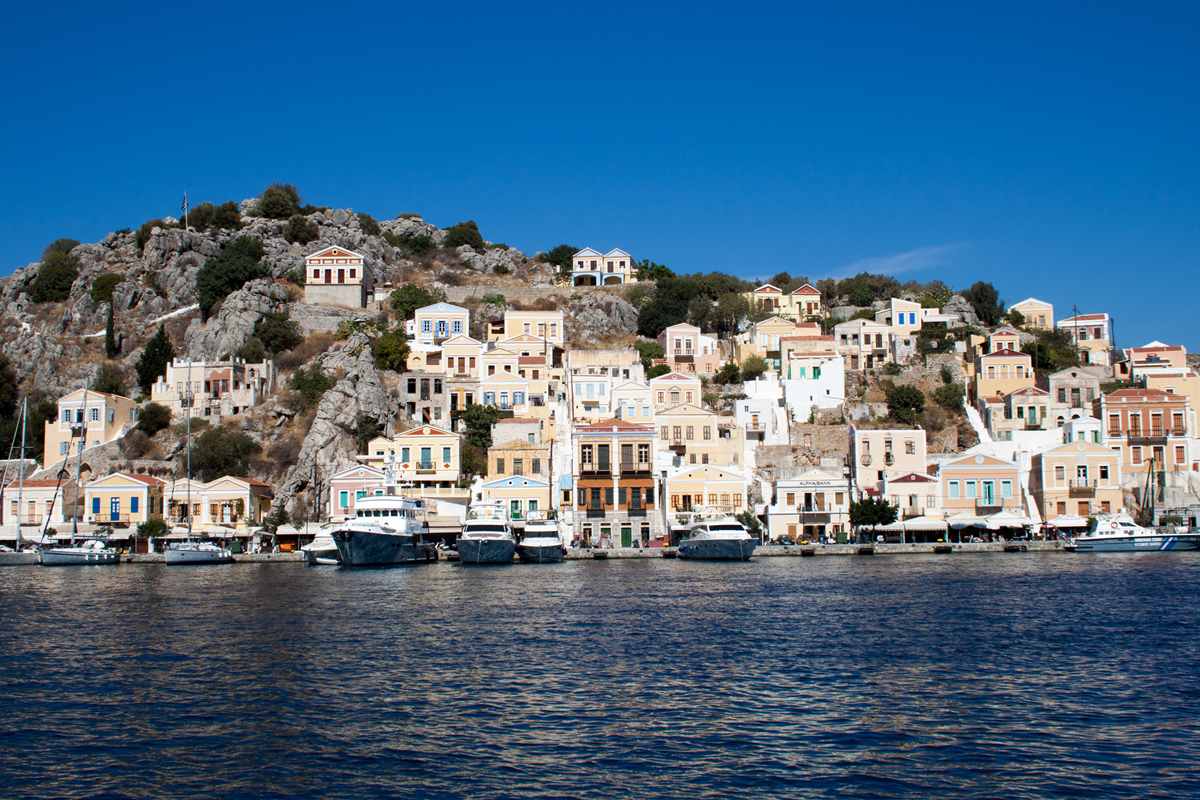
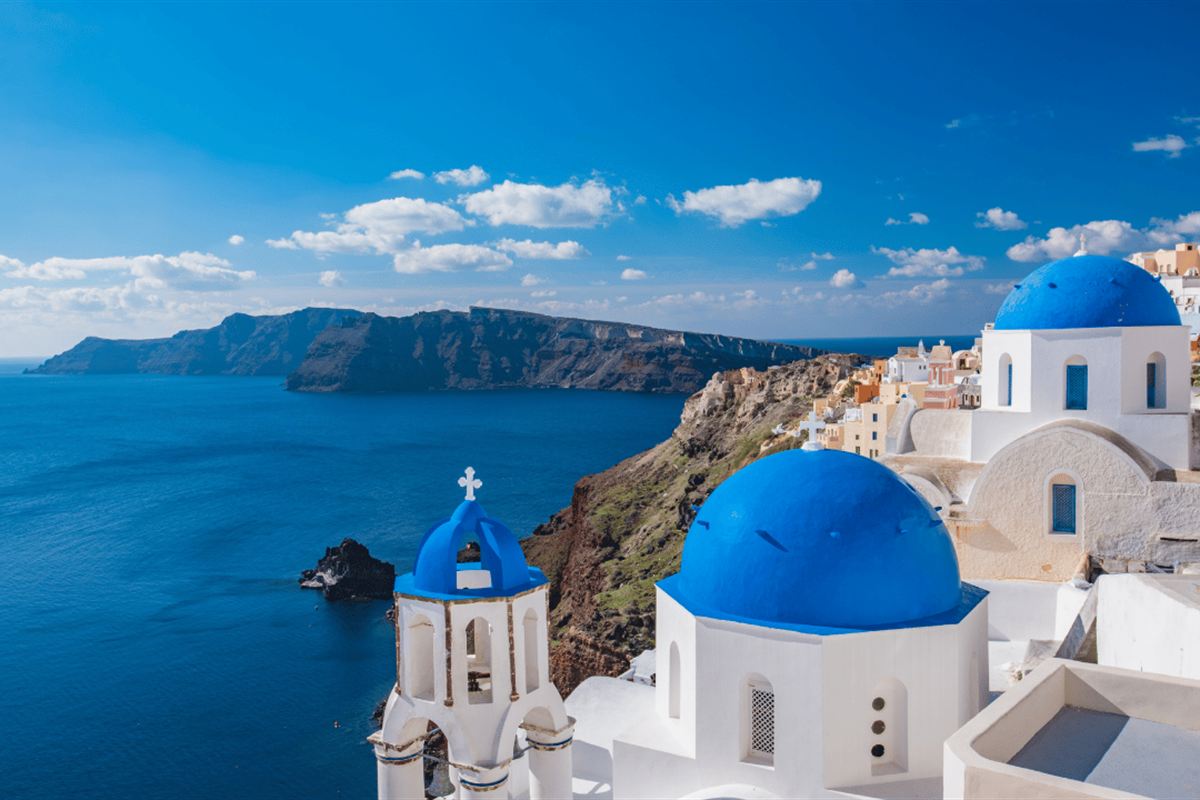
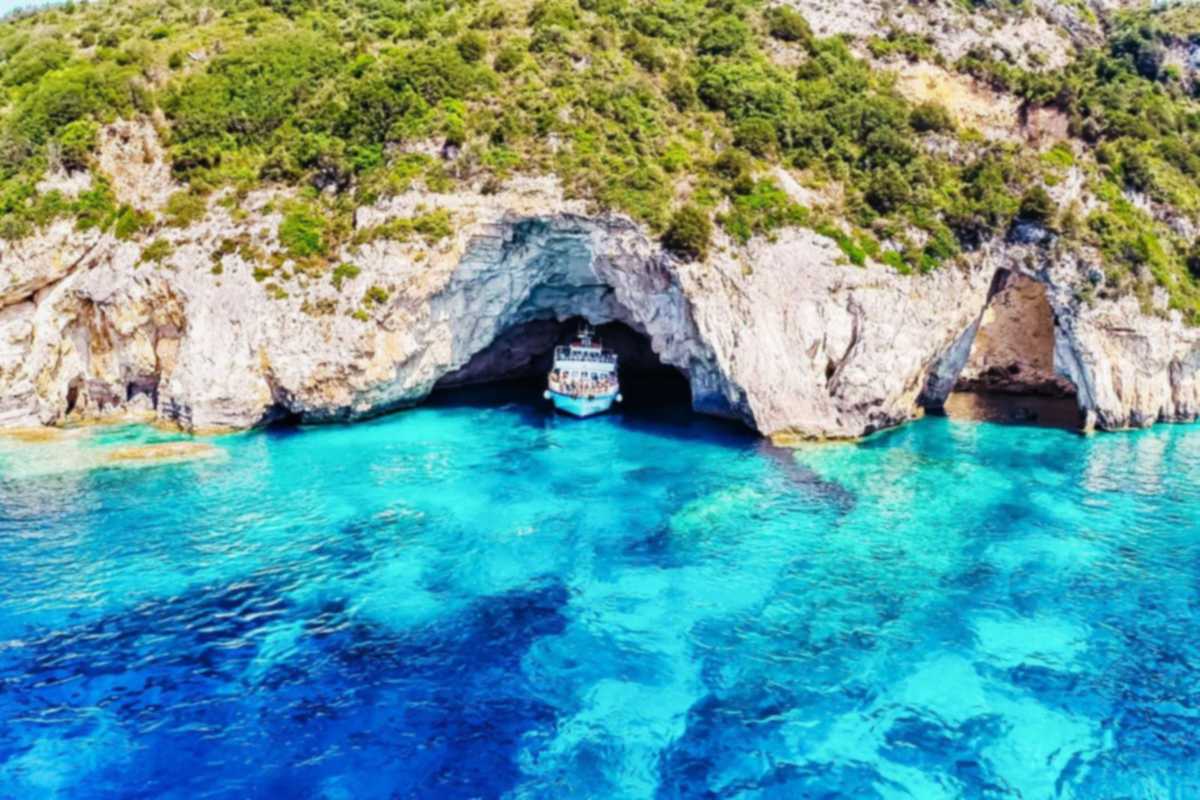
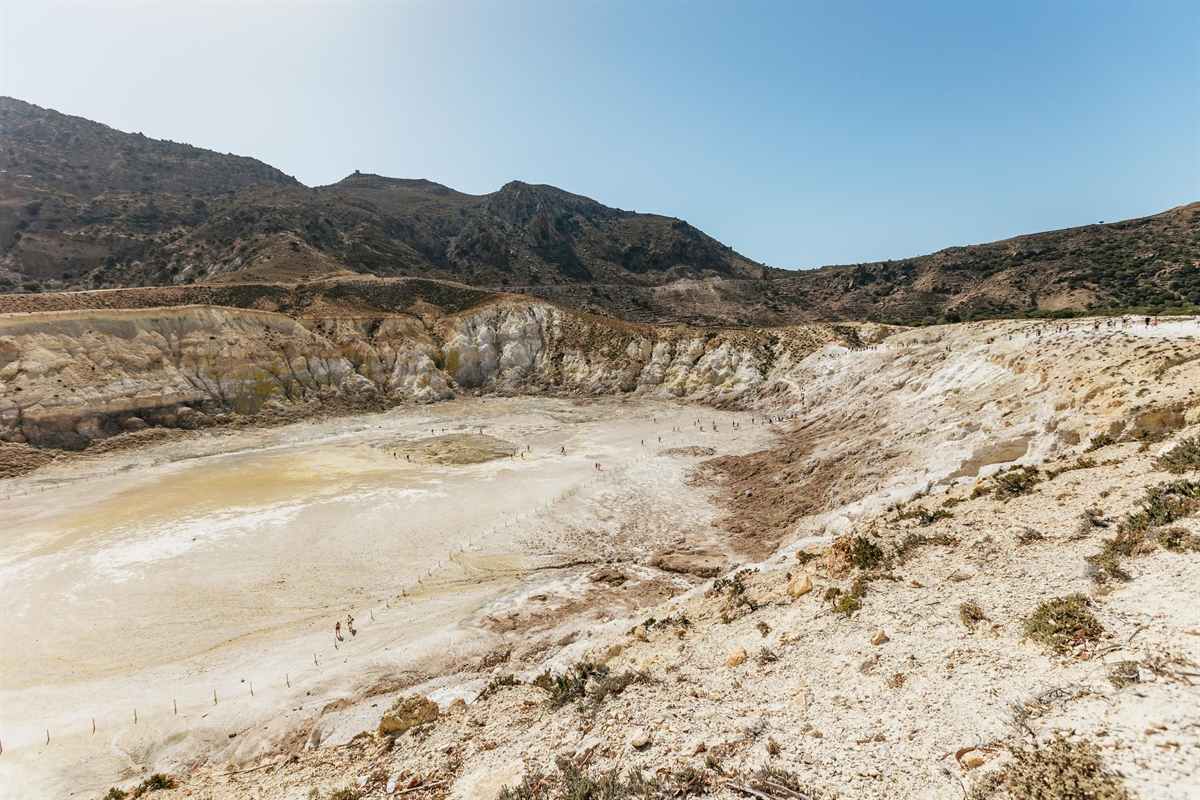
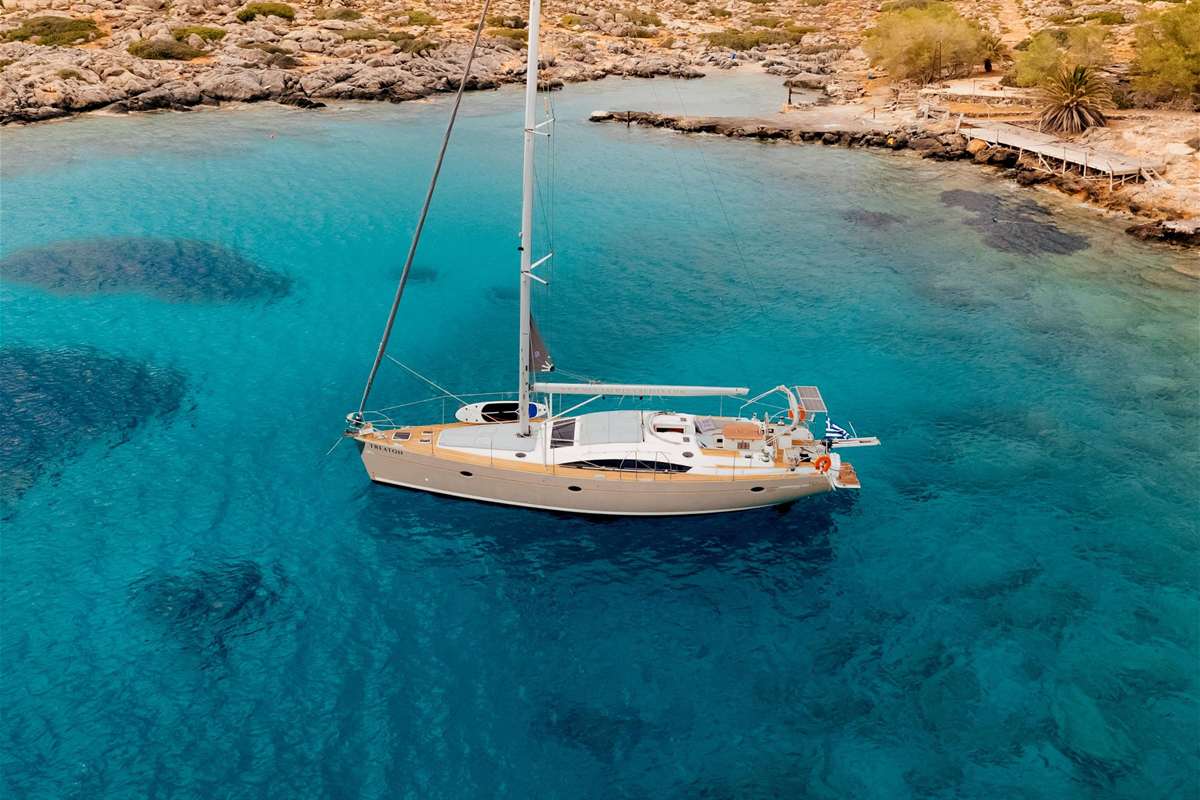
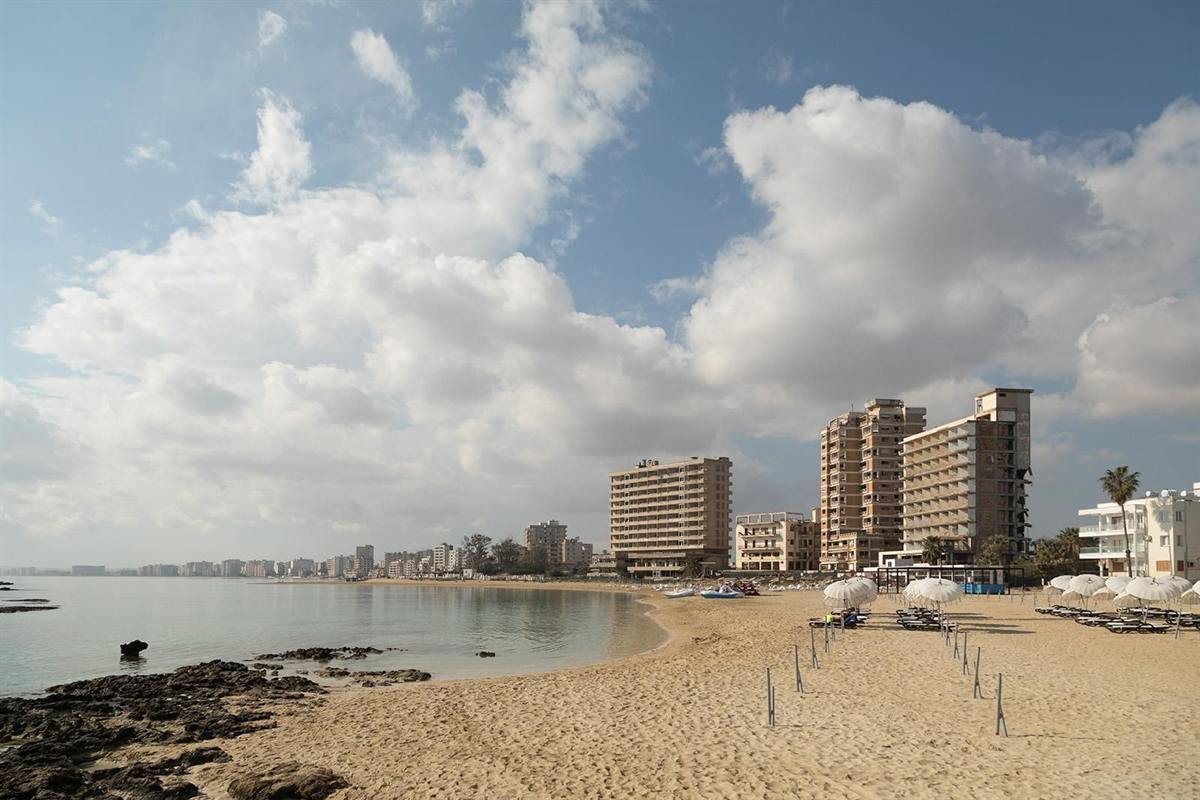
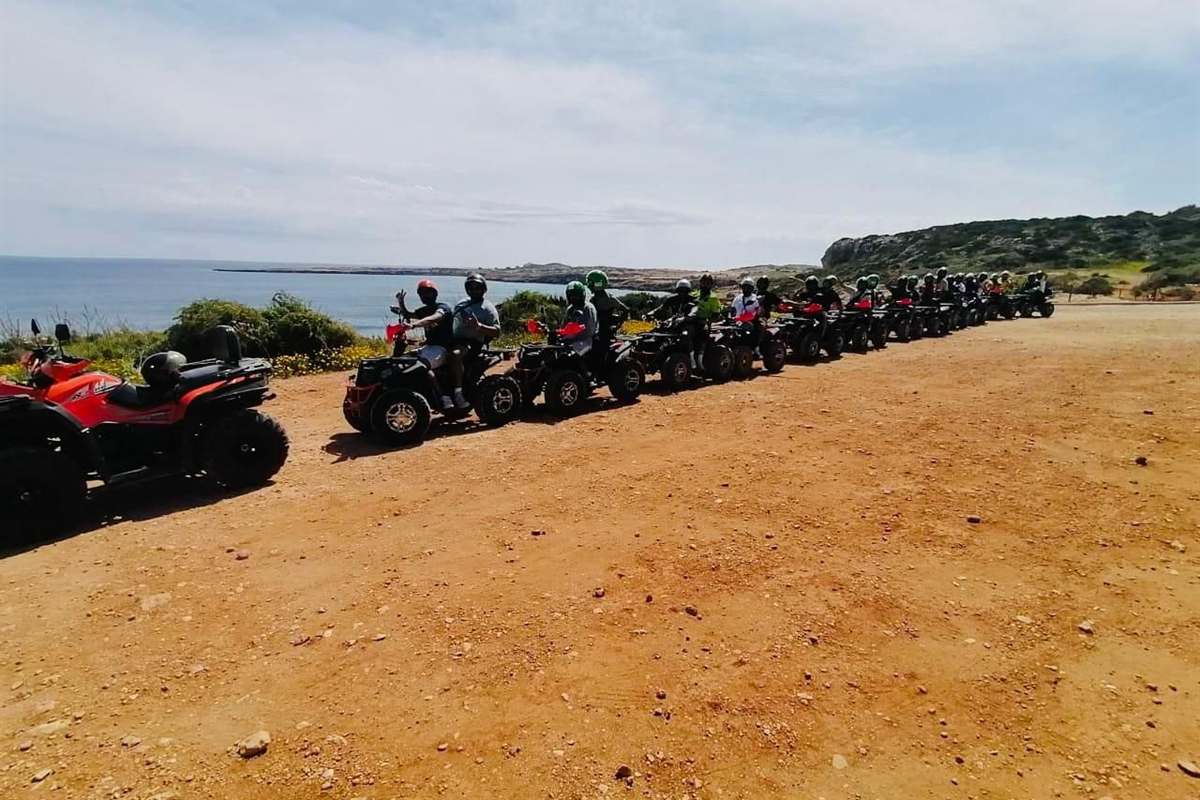
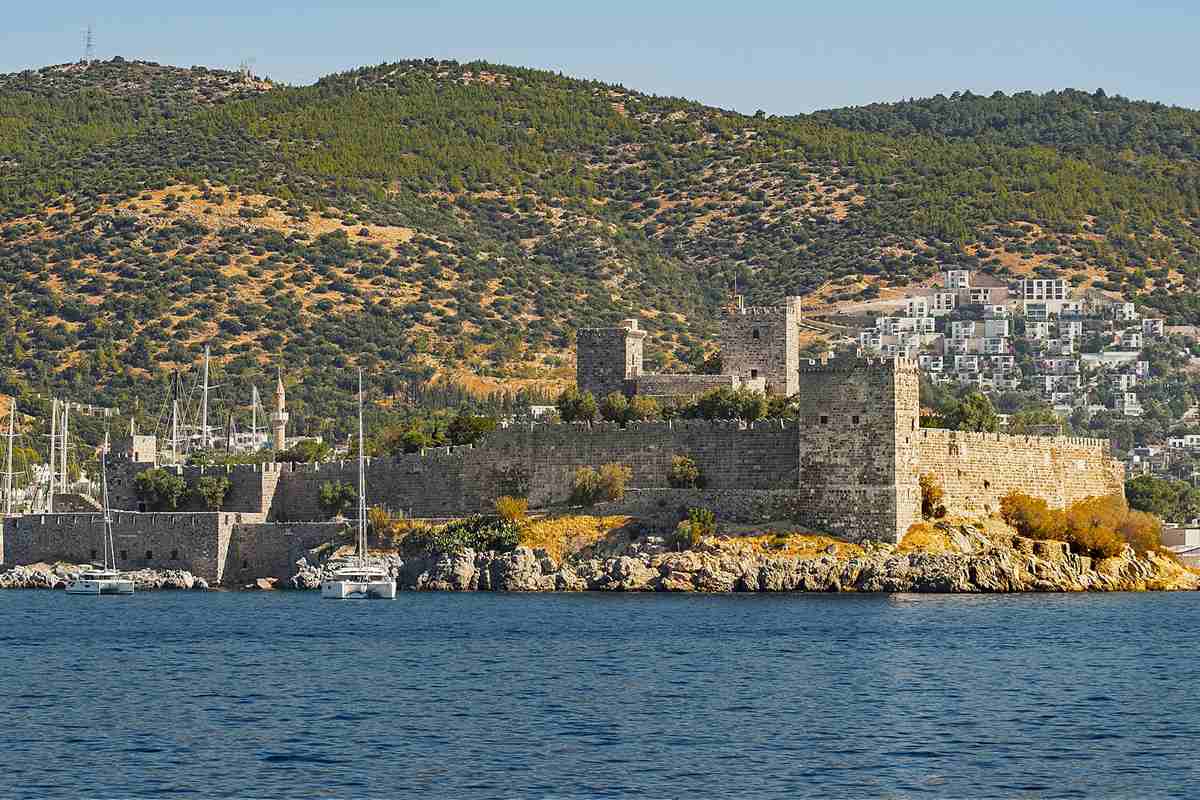
Greece tours join the classical sites, the mountain monasteries and the islands of Greece into planned trips that start in Athens. This page explains how the tours run, which regions they reach and when to go, and it links every tour page on this site.
What are Greece tours, and what do they cover?
Greece tours are planned trips that bundle transport, stays and a tour leader into one itinerary. Coach tours run a loop from Athens via Corinth, Mycenae, Nafplio and Delphi. Island tours add ferry connections between the islands.
The old two-day Mycenae and Epidaurus plan lists a coach, a tour leader and one hotel night in Nafplio. It adds one dinner and one breakfast. The coach picks travellers up at their Athens hotels and drops them back there. The plan does not say whether entry fees are included.
The seven-day Mykonos and Santorini tour lists ferry tickets from Piraeus to both islands and back. It also lists transfers between the ports and hotels on each island, and hotel transfers in Athens.
Longer Greece tours add hotel nights in more places. The three-day classical tour lists a licensed tour leader, two breakfasts, two dinners and hotel nights in Olympia and Delphi. The eleven-day tour lists three nights each on Mykonos and Santorini and four on Crete. It adds ten breakfasts and a rental car on Crete.
Greece tours come as group, small-group and private trips. A private tour is built around a hand-picked crew, from a family retreat to a girls trip. Trip lists filter by traveller type: solo travellers, couples, young adults, seniors and families.
How long do Greece tours last?
Greece tours on this site run from a 45-minute canal cruise to a 20-day island hopping tour. Boat trips and day trips fill the short end, while island-hopping tours take a week or more.
Boat tours on the Corinth Canal last from 45 minutes up to 4.5 hours. From Isthmia, a half-day cruise takes 2 to 4 hours. A Delphi day trip from Athens fills 8 to 10 hours. The Agistri, Moni and Aegina cruise fills a full day of 10 hours.
Multi-day Greece tours listed here begin at two days. Two-day tours go to Delphi and to Mycenae and Epidaurus. On the Delphi tour, travellers sleep one night in the town and return to Athens the next afternoon. Three-day trips include Delphi to Meteora and a Greek cruise.
Four-day Greece tours pair a classical route with Meteora, or visit Mykonos or Santorini. The four-day Santorini tour takes the ferry from Piraeus and sleeps three nights on the island. The five-day Crete tour flies between Athens and Crete and sleeps four nights there.
The seven-day Mykonos and Santorini tour counts six nights. The eight-day tours pair Santorini with Crete, or Crete with Rhodes. A 14-day plan joins Athens with Mykonos and Santorini. A 15-day plan joins classical Greece with Mykonos, Santorini and Crete.
The longest of the Greece tours on this site is the 20-day island hopping tour. It begins in Athens and visits six islands: Mykonos, Paros, Naxos, Ios, Santorini and Crete. Ios gets two days and the other five islands get three. It ends on Crete, with a flight to Athens on day 20.
Which regions do Greece tours reach?
Greece tours cover the mainland areas and island groups that the Greek National Tourism Organisation lists. Routes start in Athens, in Attica, which holds the largest airport in Greece and its largest port, Piraeus.
The mainland list covers Attica, Central Greece, Epirus, Macedonia, the Peloponnese, Thessaly and Thrace. The Pindus range runs down the mainland like a backbone and divides Epirus from Thessaly and Macedonia. Mount Olympus, the tallest mountain in the country, also divides Thessaly from Macedonia.
Greece’s administrative regions mostly follow older divisions. Western Greece is the exception. It has no older equivalent, because it takes in land from the Peloponnese and from traditional Central Greece. Attica has more people than any other region, and the Ionian Islands have the fewest.
The tourism organisation sorts the islands into groups. They are the Argosaronic group, Crete, the Cyclades, the Dodecanese, Evia, the Ionian Islands, the North Aegean and the Sporades.
On Greece tours, the Saronic islands sit in the Saronic Gulf near Athens. The Ionian Islands lie chiefly west of the mainland, in the Ionian Sea. The North Aegean islands lie off the west coast of Turkey. The Sporades are a small, tight group off Euboea.
Euboea is the second largest island, and a strait only 60 metres wide separates it from the mainland. Lesbos and Rhodes rank third and fourth, behind Crete.
What do Greece tours show in Athens and the Peloponnese?
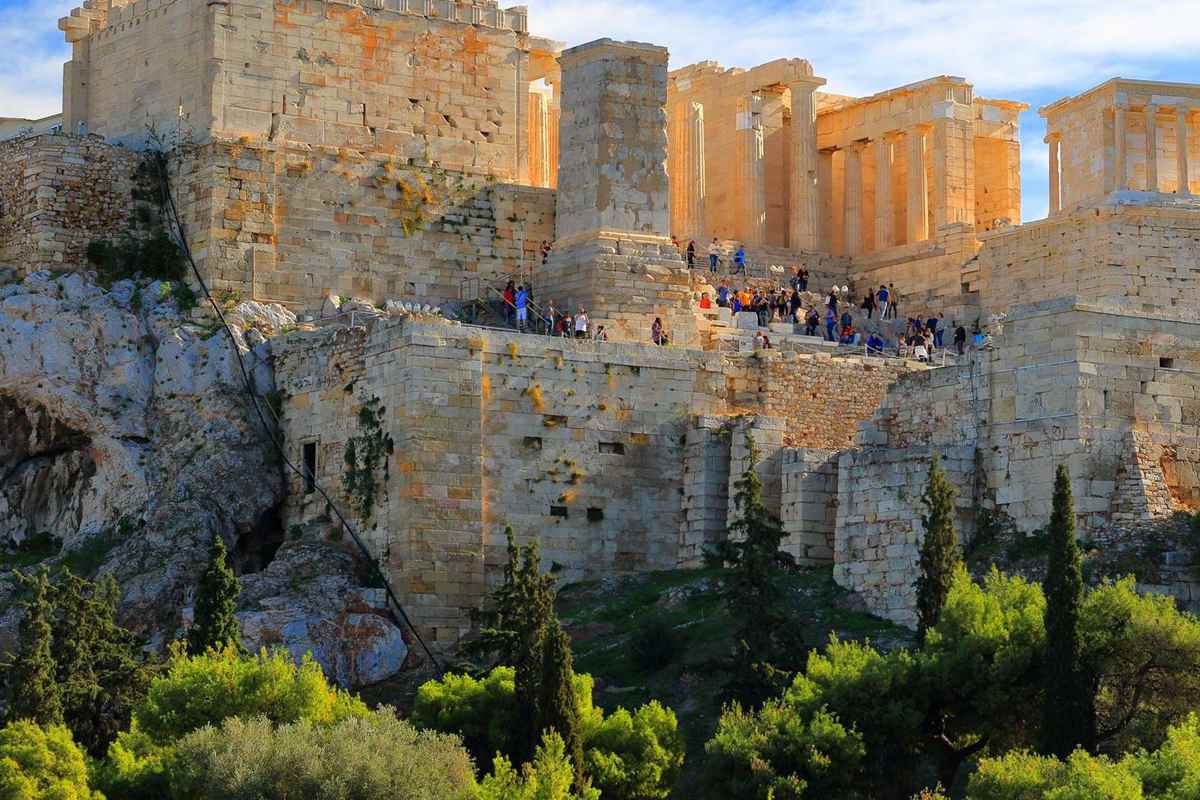
Greece tours show the Acropolis, its museum, the Ancient Agora and Plaka in Athens, then head into the Peloponnese. Stops include Corinth, Mycenae, Epidaurus, Nafplio and Olympia, and Cape Sounion fits a half-day trip.
Greece tours in the capital take in the Acropolis. UNESCO calls it the greatest architectural and artistic complex that ancient Greece left to the world. The Acropolis Museum begins its route with finds from the slopes of the hill and ends in the Parthenon Gallery.
The sculptor Pheidias guided the work on the Acropolis, and he also worked in the Ancient Agora. Plaka is called the Neighbourhood of the Gods because it lies so close to the Acropolis. Cape Sounion lies about 70 kilometres southeast of Athens. In myth, King Aegeus fell into the sea there, which gave the Aegean its name.
Corinth is known for its canal and for Acrocorinth, the largest castle in the region. Mycenae and Tiryns are, in UNESCO’s words, the two greatest cities of the Mycenaean civilization. UNESCO ties both to the Iliad and the Odyssey.
Greece tours reach Epidaurus, where UNESCO calls the theatre one of the purest masterpieces of Greek architecture. It belongs to a sanctuary of Asklepios, the god of medicine.
Greece tours stop in Nafplio, where Franks, Venetians and Turks each left marks. They range from medieval castles to Ottoman fountains. Olympia became a centre for the worship of Zeus in the tenth century BC. Remains of the sports structures built for the Olympic Games survive there.
What do classical Greece tours visit in the north and centre?
Classical Greece tours leave Athens for Delphi, then go on to Kalambaka and Meteora in Thessaly. Longer plans add Vergina and Pella, two ancient Macedonian capitals, and the city of Thessaloniki.
Round trips from Athens list Thermopylae, Kalambaka, Meteora and Delphi among their stops. On Greece tours of this kind, the coach leaves Athens via Thebes and Levadia, then reaches Delphi through Arachova. Arachova lies about 970 m above sea level, on the southern slope of Mount Parnassus. It is 8 km east of Delphi.
UNESCO calls Delphi the religious centre and symbol of unity of the ancient Greek world in the sixth century BC.
Thermopylae means “hot gates”, a name that comes from its hot sulphur springs. Greek and Persian forces fought in the narrow pass in 480 BC. Today the A1 motorway linking Athens with Thessaloniki runs along the old shoreline and cuts the pass in two. A monument to King Leonidas of Sparta stands east of the highway.
Longer Greece tours reach Vergina, the site of ancient Aigai and the first capital of Macedon. UNESCO counts more than 300 tumuli in its burial ground. One of the royal tombs in the Great Tumulus is identified as that of Philip II.
Pella took over from Aigai as the capital of Macedon in the 4th century BC. Both Philip II (382 BC) and his son Alexander the Great (356 BC) were born in Pella.
Cassander of Macedon founded Thessaloniki in 315 BC and built it 40 km southeast of Pella. It is the second-largest city in Greece. UNESCO lists its early Christian and Byzantine monuments and calls their mosaics great masterpieces of early Christian art.
Greece’s highest mountain is Mount Olympus. In Greek religion and myth, it was the home of the twelve Olympian gods.
What does Meteora add to Greece tours?
Meteora adds sandstone peaks topped by monasteries to Greece tours. It stands in Thessaly, in the Trikala region. The town of Kalambaka lies on one side and the village of Kastraki on the other. UNESCO lists it for its architecture and landscape, and six monasteries stand there today.
In Greek, Meteora means “suspended in the air”. UNESCO says the sandstone peaks formed 60 million years ago from river deposits. Earthquakes, rain and wind then carved them into their present shapes.
From the 11th century onwards, monks settled on these almost inaccessible peaks, the “columns of the sky”. Twenty-four monasteries stood there towards the end of the 15th century.
Only four of today’s six still house religious communities: Aghios Stephanos, Aghia Trias, Varlaam and the Meteoron. UNESCO adds that the 16th-century frescoes were a key stage in the development of post-Byzantine painting.
Because the monasteries are religious sites, modest dress is the rule on Greece tours. Men and women both cover their shoulders, and women wear skirts.
What do island Greece tours show in the Cyclades?
Island Greece tours in the Cyclades visit the ring of islands around sacred Delos, which gave the group its name. They pair Mykonos with Santorini and add Paros, Naxos, Milos and Ios.
Mykonos, called the Island of the Winds, shows its windmills, Little Venice and vibrant nightlife. Santorini lies at the southernmost point of the Cyclades. Explosive phases over hundreds of thousands of years shaped its caldera.
On Greece tours, the island hop continues with Paros and Naxos. Paros lies at the centre of the group and flourished on its white marble, which sculptors used for Praxiteles’ Hermes. No island of the Cyclades is larger than Naxos, which has fertile plains. Its Mount Zas is the highest mountain of the group.
Only two islands of the group, Milos and Santorini, are volcanic. The statue of the Venus de Milo was unearthed on Milos and now stands in the Louvre in Paris. Ios lies between Santorini, Paros and Naxos. It has an international reputation for its nightlife, and ancient tradition names it the birthplace of Homer’s mother.
Delos lies only 2 km from Mykonos. This uninhabited island covers 3.43 square kilometres, yet it is a major mythological, historical and archaeological site. It is a UNESCO monument, and Greek myth places the birth of Apollo and Artemis there.
On Greece tours, the towns look alike from island to island. Houses are low and cubical, with whitewashed walls and blue doors and shutters. Cycladic culture left flat figures carved from pure white marble, centuries before the Minoan civilisation arose on Crete.
Which islands do Greece tours reach beyond the Cyclades?
Beyond the Cyclades, Greece tours reach Crete and the Dodecanese islands of Rhodes and Kos. They also reach the Ionian islands of Corfu, Zakynthos and Paxos. Aegina, Hydra and Poros lie so close to Athens that they work as day cruises.
Crete is the largest island in Greece. Knossos, the Minoan palace, stands 5 km south of the old centre of Heraklion. UNESCO lists it among the Minoan Palatial Centres. In the north-west, Chania has an old town and a Venetian harbour with an Egyptian lighthouse.
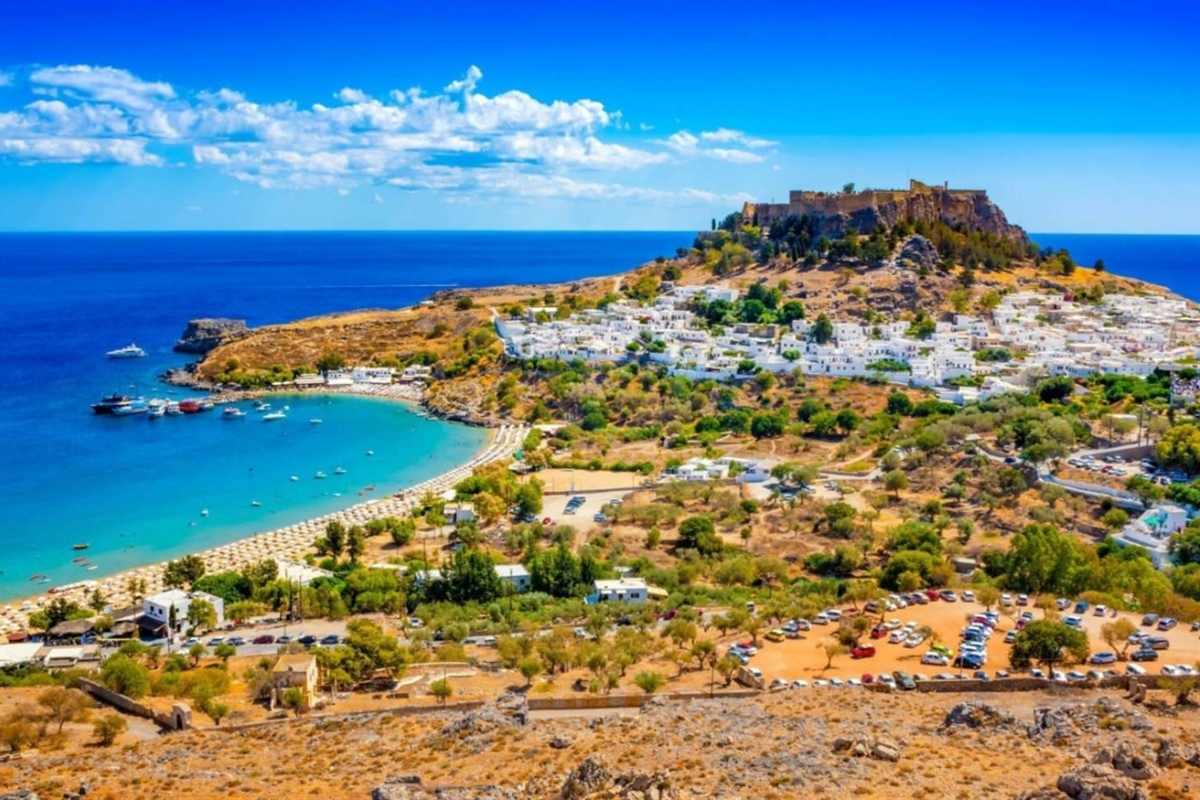
Rhodes is the largest island of the Dodecanese. On Greece tours it brings the medieval Old Town, a UNESCO site inside a wall 4 km long. Lindos adds an acropolis that rulers from the Greeks to the Ottomans fortified in turn. Kos ranks third by size in the Dodecanese and is the birthplace of Hippocrates.
Corfu’s Old Town ranks as a UNESCO World Heritage Site. Under Venice, the island beat back the Ottomans in repeated sieges and counted as a bulwark of Europe. Zakynthos, the third largest Ionian island, is a haven for the loggerhead sea turtle. Paxos lies south of Corfu, with olive groves that date from the Venetian era.
Aegina, Hydra and Poros lie in the Saronic Gulf. Aegina, the gulf’s largest island, is known for its pistachios and the Temple of Aphaia. Hydra bans cars and motorcycles. Poros lies ten minutes by boat from the Peloponnese coast. On Greece tours, a single day cruise from Athens calls at all three islands and returns the same evening.
How do day trips differ from multi-day Greece tours?
A day trip leaves Athens in the morning and returns the same day. A multi-day tour adds hotel nights. Greece tours of two days or more sleep near the sites instead of driving back to Athens.
Road time shapes a day trip from Athens. Cape Sounion takes 1 to 1.5 hours by road and suits sunset, photography and romance. Mycenae and Nafplio lie 120 to 135 km out, under 2 hours. Aegina is 27 km from Piraeus, and the fast ferry takes 40 minutes.
Delphi is 180 km away, 2.5 hours by road, and an early start makes it a day trip. Delphi suits ancient history and mountain scenery. Delphi tours leave Athens early and return by late afternoon. Epidaurus tours return between 6 and 7 in the evening.
A Meteora day tour runs 13 to 14 hours round trip. A night in Kalambaka makes that visit far more relaxed.
On Greece tours of this kind, the nights are spent along the route. The 2 day Delphi tour sleeps one night in Delphi and is back in Athens the next afternoon. The 4 day classical tour begins and finishes in Athens. It has three hotel nights, one each in Olympia, Delphi and Kalambaka.
Cape Sounion suits first-timers, history lovers, couples and photographers. The Saronic islands cruise suits first-timers with one day for islands. On fully guided Greece tours, one leader stays with the group the whole way and manages the logistics. The 4 day classical tour lists an air-conditioned coach and a licensed English-speaking leader.
How do cruises fit into Greece tours?
Cruises fit into Greece tours as a day cruise to the Saronic islands or a multi-day sailing from Piraeus. On a multi-day cruise, the ship is your hotel and your transport, and it sails between the islands at night.
The 3-day cruise sails every Friday from Piraeus at 11.00 and returns on Monday morning. It calls at Mykonos, Kusadasi in Turkey, Patmos, Crete and Santorini. On Saturday it stays in Kusadasi from 7.00 to 12.00.
The 4-day cruise leaves Piraeus at 11.00 on Monday and calls at Mykonos that evening. Tuesday brings Kusadasi and Patmos, Wednesday brings Rhodes, and Thursday brings Crete and Santorini. Rhodes is a full day in port, from 7.00 to 18.00. The ship is back in Piraeus at 7.00 on Friday.
On Greece tours by ship, you board once and unpack once, not in a different hotel on each island. The ship sails at night. On the 3-day cruise, it leaves Mykonos at 23.00 and reaches Kusadasi at 7.00. It leaves Patmos at 21.00 and reaches Crete at 7.00.
Sunday night brings the last sailing. The ship leaves Santorini at 21.00 and is back in Piraeus at 7.00 on Monday. A star in the timetable marks Mykonos, Patmos and Santorini. Going ashore or back on board there can be by tender boat, weather permitting.
How do coaches, ferries and flights work on Greece tours?
On Greece tours, an air-conditioned coach covers the mainland, and ferries from Piraeus, Rafina and Lavrio reach the islands. A flight to an island saves the trip to the port.
Greece has the largest motorway network in Southeastern Europe. The mainland is extremely mountainous, and the six major motorways hold about 150 tunnels.
Greece tours with hotel pick-up gather travellers from listed hotels in Athens. The old 2 day Mycenae and Epidaurus plan says the pick-up round takes up to about one hour.
Three ports near Athens send ferries to the islands. Piraeus is the largest and busiest port in Greece, about 10 km from the city centre. Rafina is the port closest to the airport and serves Andros, Tinos and Mykonos. Lavrio, about 60 km from downtown Athens, serves Kea, Kythnos and Syros.
High-speed ferries serve routes to nearby islands in the Saronic Gulf and the Cyclades. They can be bumpy on windy days, while conventional ferries tend to be smoother.
On island Greece tours, the old 4 day Mykonos programme lists hotel, port and hotel transfers in Athens. It also lists tourist class ferry tickets from Piraeus to Mykonos and back.
Flying saves the trip to the port, and almost every place with an airport has a link to Athens. Each ferry company sets its own luggage limit, and the majority allow up to 50 kg.
How do hotels and meals work on Greece tours?
On Greece tours, the old programmes name first class hotels, and first class means four stars. Meals carry codes. B stands for breakfast and D for dinner, so each day shows which meals it includes.
Greece rates hotels in five star categories, from one star to five. A hotel must meet set standards, and each rating is valid for a limited time. Breakfast is part of the standards. The lowest category lists a continental breakfast, and higher ones list a buffet or an equivalent menu.
Half board means two meals, and the common pair is breakfast and dinner. On Greece tours, the old 3 day classical programme shows the split in codes. Dinner comes on the first night, breakfast and dinner on the second, and breakfast alone on the last day.
The old 4 day Mykonos programme lists three breakfasts as its meals. Greek dinner starts late. Locals dine after 9 in the evening, but hotels and resorts serve earlier dinners. At a taverna the table fills with meze, small plates enjoyed slowly instead of one main course each.
A Greek-style breakfast includes Greek coffee, honey, yogurt, koulouri (a sesame bread ring) and a spinach and cheese pie. A programme called Greek Breakfast invites hotel guests to taste local recipes and products.
Ask for a special menu when you book Greece tours. On request, a Delphi day trip from Athens serves vegetarian, vegan, dairy-free or gluten-free dishes. Check the hotel tax line too, because the old Mykonos programme lists hotel taxes.
Which season suits Greece tours?
Late spring and early autumn suit Greece tours, because the days stay sunny and warm without peak heat. The national weather service puts the hottest days at the end of July and the start of August. Highs then run from 29 to 35°C.
The weather service splits the year in two. Cold, rainy weather lasts from mid-October until March ends. Warm weather without rain lasts from April until September.
Greece tours in Athens meet a July maximum of 32.2°C at Hellinikon, according to the weather service. April reaches only 19.6°C and October 23.4°C.
Heraklion’s July maximum is 28.9°C. Inland Ioannina reaches 31.0°C in July but only 9.0°C in January. Mount Parnassus rises to 2,457 m, and in winter its whole range is open to skiing.
The Etesian winds, known as the meltemi, blow mainly across the Aegean. With fresh sea breezes on the coast, they dampen the summer heat. They keep Aegean temperatures lower than the Ionian Sea or mainland Greece.
Sailors watch the wind closely. It rises under a clear sky without warning, reaching Beaufort force 7 to 8.
Ferry plans on Greece tours can change in a gale. In one gale, winds gusting to force 8 and 9 led authorities to ban sailings from Rafina and Lavrio. Passengers were advised to check with local port authorities, ferry operators or travel agents.
June to August is the peak tourist season. By the end of October, the islands’ ferry services and seasonal businesses start winding down. Winter is the low season, especially on the islands. On Holy Thursday, 20 ferries left Piraeus with 22,551 passengers.
Swim stops on Greece tours meet warm water at Rhodes. There the sea measures 23.4°C in June, 27.2°C in August and 26.7°C in September.
What do you pack for Greece tours?
Pack shoes with grip first for Greece tours, because marble and ancient stone are worn smooth by centuries of footsteps. Add sun protection and a light layer.
Expect marble steps, uneven stones and hillside paths. Take a second pair of shoes in case one gets wet or uncomfortable. Choose sturdy sandals with support, not flip-flops, for warmer days.
The sun feels strong on Greece tours even in spring and autumn. Bring a wide-brim hat, sunglasses with UV protection, sunscreen of SPF 30 or higher and a refillable bottle. Small snacks help on longer excursions.
Greek days start cool, warm up fast and turn breezy at night near the water. The breeze off the Aegean cools things down fast even in summer. Pack a windbreaker or light jacket for time at sea. Add a swimsuit for island stops and non-slip sandals or deck shoes.
In churches and monasteries on Greece tours, visitors need to cover their knees and shoulders. A scarf helps at sacred sites, on cool evenings and on windy ferry rides.
A small day pack or crossbody bag keeps a phone or camera, water and a light layer close. Keep both digital and printed copies of your tour confirmations, even for the day a phone battery drains.
What rules and customs apply on Greece tours?
Greece tours follow clear rules at ancient sites and museums. Never climb on monuments, and ask before professional photography or filming. Custom sets the rest: say hello first, tip for good service, and respect the quiet afternoon.
The National Archaeological Museum and the Acropolis Museum allow amateur photos without flash. Both require prior permission for professional photography.
The Cyclades office of the Ministry of Culture lists rules for sites and museums owned by the State. Climbing on monuments is prohibited. So are eating, smoking, drones without prior approval, and entry in swimwear or inappropriate clothing.
Tipping is not mandatory. The Greek National Tourism Organisation calls a tip of 5 to 10 percent appreciated in restaurants for good service.
Plan around the afternoon break on Greece tours. Lunch starts around 14:00, and summer quiet hours run from 15:00 to 17:30 and from 23:00 to 07:00. Outside the tourist resorts, shops close for a long lunch break.
Greeks generally let the stranger make the first move, so say kalimera (good morning) or kalispera (good evening) first. The Greek National Tourism Organisation also lists philoxenia, the Greek word for hospitality, first under the spirit of Greece. Its home page quotes the Odyssey: a host offers hospitality first and asks the reason for the visit later.
The Greek Orthodox Church sets the date of Easter by a different method from the Roman Catholic and Protestant churches. The Orthodox Easter holiday runs from Good Friday to Easter Monday. Check the date before you book Greece tours.
How do you choose between Greece tours?
Compare Greece tours on the written plan. Look at the driving days, group size and hotel grade. Then check free time, start city, regions, and whether you sleep on the route or return to Athens.
Count the driving days on Greece tours. The old 3 day Delphi Meteora plan drives on all three days. Day one ends in Delphi, day two in Kalambaka, and day three in Athens.
Group size differs by operator. Small-group trips run with 12 to 16 travellers, and larger tours cap the group at 30 or 40. Small sailing trips take 8 to 12 people.
For hotels on Greece tours, the old programmes on this site list 3 or 4 star hotels. One lets you choose. Trip styles also differ. Basic trips keep inclusions to a minimum and leave free time, while Premium trips feature the top accommodation.
Free time is part of the plan too. Day two of the 2 day Delphi tour is titled Free Roaming, with the morning spent as you wish.
Greece tours on this site start in Athens, and the 10 day tour also ends there. Other starting points include Heraklion, Thessaloniki, Mykonos and Santorini. Count the regions too. The 15 day Greece and Turkey tour does the Greece part first, then visits Turkey sites and Istanbul.
Which Greece tours does this site list?
This site lists Greece tours of 2 to 20 days that start in Athens, plus day trips, boat trips and cruises, grouped below by type.
Every link opens a separate page with the route, the days and the booking widgets for that trip. Pick a group, then compare the pages inside it.
Classical Greece tours
- 2 day Delphi tour with a night in Delphi
- 2 day Mycenae Epidaurus tour
- 3 day Delphi Meteora tour
- 3 day classical tour
- 4 day classical tour with Meteora
- 4 day Athens stopover tour
- 10 day tour of classical sites, Meteora and Pella
- Aegean Escape tour of Athens and classical Greece
- Aegean Explorer grand tour of Greece
- 15 day tour following Saint Paul
- Arrange your own tour of Greece
Island Greece tours
- 4 day Mykonos tour
- 4 day Santorini Greek tour
- 4 day Rhodes tour
- 5 day Crete Greek tour
- 4 day Ios Greek tour
- 7 day Mykonos and Santorini tour
- 8 day Santorini and Crete tour
- 8 day Crete and Rhodes tour
Island-hopping Greece tours
- 11 day Santorini, Crete and Rhodes tour
- 11 day Mykonos, Santorini and Crete tour
- 11 day tour of Mykonos, Santorini, Crete and Rhodes
- 14 day tour of Athens, Mykonos and Santorini
- 15 day classical Greece tour with three islands
- 20 day island hopping tour
- 14 day Aegean Escape tour
- Aegean island hopping tour
- 14 day Aegean Voyager tour
- 12 day Aegean Adventure tour
Greek cruises
- 3 day Greek cruise
- 4 day Greek cruise
- 3 day Greek islands and Turkey cruise
- 4 day Greek islands and Turkey cruise
- 7 day Greek islands and Turkey cruise
Day trips from Athens and the mainland
- One day Delphi trip from Athens
- Mycenae, Epidaurus and Nafplio day trip
- Cape Sounion sunset tour
- Corinth Canal boat tour
- Acropolis tour with the Acropolis Museum
- Acropolis ticket with audio commentary
- Athens hop on hop off bus
- Hydra, Poros and Aegina day cruise
- Agistri, Moni and Aegina cruise
- Meteora trip from Thessaloniki
- Pozar thermal baths trip from Thessaloniki
Santorini and Cyclades day tours
- Santorini wine tour with sunset in Oia
- Santorini volcano and hot springs tour
- Santorini catamaran cruise
- Santorini day trip from Crete
- Delos tour from Mykonos
- Kleftiko boat tour on Milos
Crete, Rhodes, Kos and the Ionian islands
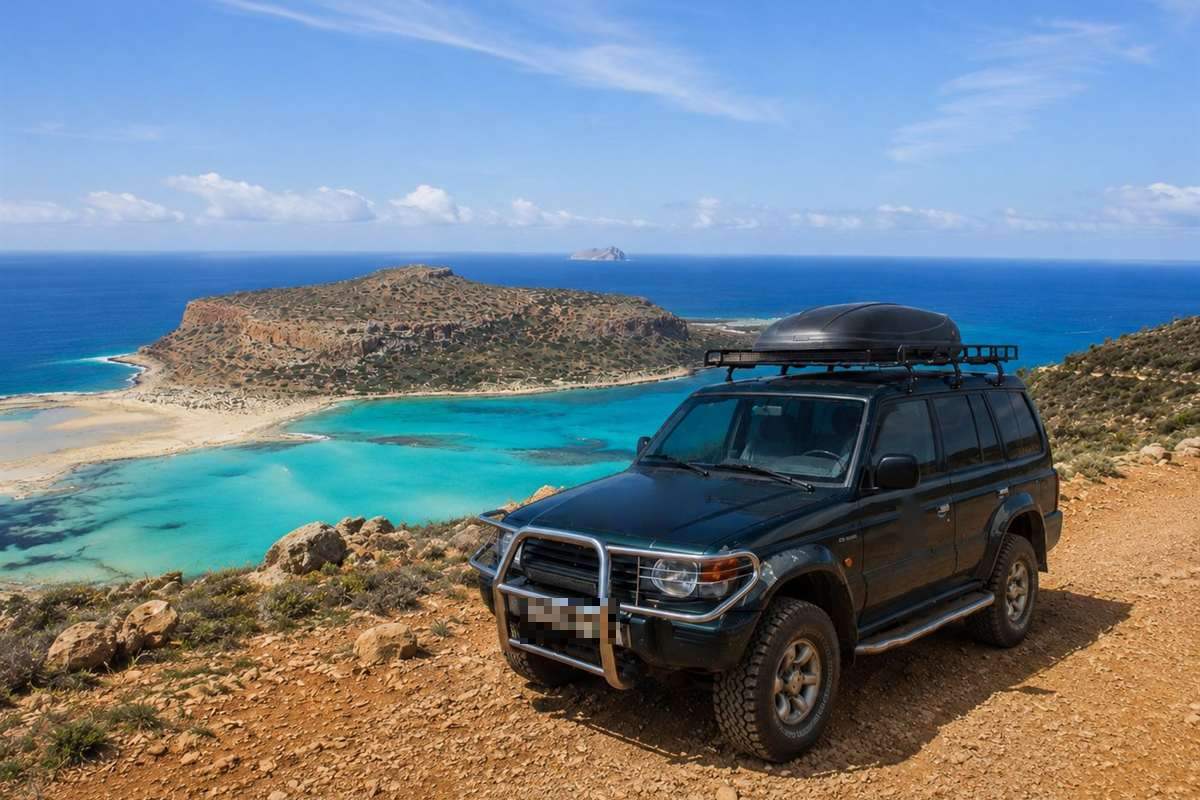
- Crete jeep safari
- Balos Gramvousa boat trip from Chania
- Elafonisi trip from Chania
- Spinalonga trip from Agios Nikolaos
- Lindos day trip from Rhodes
- Symi day trip from Rhodes
- Rhodes catamaran cruise
- Kos three islands boat trip
- Nisyros day trip from Kos
- Paleokastritsa boat trips on Corfu
- Paxos and Antipaxos cruise from Corfu
- Shipwreck Beach boat tour on Zakynthos
- Turtle island tour of Marathonisi
Tours beyond Greece
- 15 day Greece and Turkey tour
- 15 day Greece and Egypt tour
- 10 day Turkey tour
- 5 day Istanbul and Ephesus tour
- 6 day Istanbul tour with Cappadocia and Ephesus
- 8 day tour of the Churches of Revelation
- 13 day Turkey tour
- 14 day Dreamland tour of Turkey
- Tours of Italy
- Tours of Spain
- Ayia Napa quad safari in Cyprus
- Blue Lagoon boat cruise from Ayia Napa
- Ghost town tour of Famagusta
What else do travellers ask about Greece tours?
What currency does Greece use, and do small islands and villages take cards?
Greece uses the euro, and Greeks call the cents lepta. Cards are widely accepted across the country in shops, hotels and ferry agencies on Greece tours. Not every restaurant takes them. Before you travel to an island, take cash out first. A cash machine can be empty or not working.
Card machines are harder to find in the countryside and on the islands, and they do not always work. A taverna on a small island can ask for cash. Pay a small bill without big notes, because a seller cannot always give change. Carrying coins helps.
Which language do people speak, and is English understood on tours?
Greek is the official language of Greece. English is the foreign language that Greeks study and understand more widely than any other. Basic English can be expected from almost everyone in tourism and public transport.
Wherever tourism is significant, bus timetables are posted in English. Bus drivers, conductors and taxi drivers understand enough English to answer your questions. Words such as hello and thank you in Greek are warmly received, so try them on Greece tours.
Which time zone does Greece use, and when do the clocks change?
One clock covers all of Greece, islands included. The country runs on Eastern European Time. Crete, Mykonos and Santorini share that clock, so travel between the islands is seamless on Greece tours.
In spring the clocks jump ahead by an hour on the last Sunday in March. In autumn they fall back by an hour on the last Sunday in October. This follows the summer time schedule of the European Union, which every member state must observe.
Which plug and voltage do Greek sockets use, and does a traveller need an adapter?
Greek sockets take Type C and Type F plugs, and the supply is 230 volts at 50 hertz. Type F is used almost everywhere in Europe, except in the UK and Ireland. Visitors from those two countries need a plug adapter on Greece tours.
North America is the biggest exception to the 220 to 240 volt supply used in much of the world. If you join Greece tours from there, a device that does not accept 230 volts needs a transformer or converter. A device with a universal voltage converter built in needs only a plug adapter.
What is the single emergency number in Greece?
The single emergency number in Greece is 112. It reaches health, police, firefighting, rescue and civil protection services. Dial it first if an accident happens or you become lost on Greece tours. Set your phone to allow emergency alerts, which warn of wildfires and flash floods near you.
The operator answers in Greek first. Reply in English and the call is passed to an English-speaking operator. Call 100 for the police, 166 for an ambulance and 199 for the fire brigade.